Study: Resistance Training and Whey Protein Work Through Complementary Pathways for Muscle Health in Aging
07/26/2026 / By Coco Somers
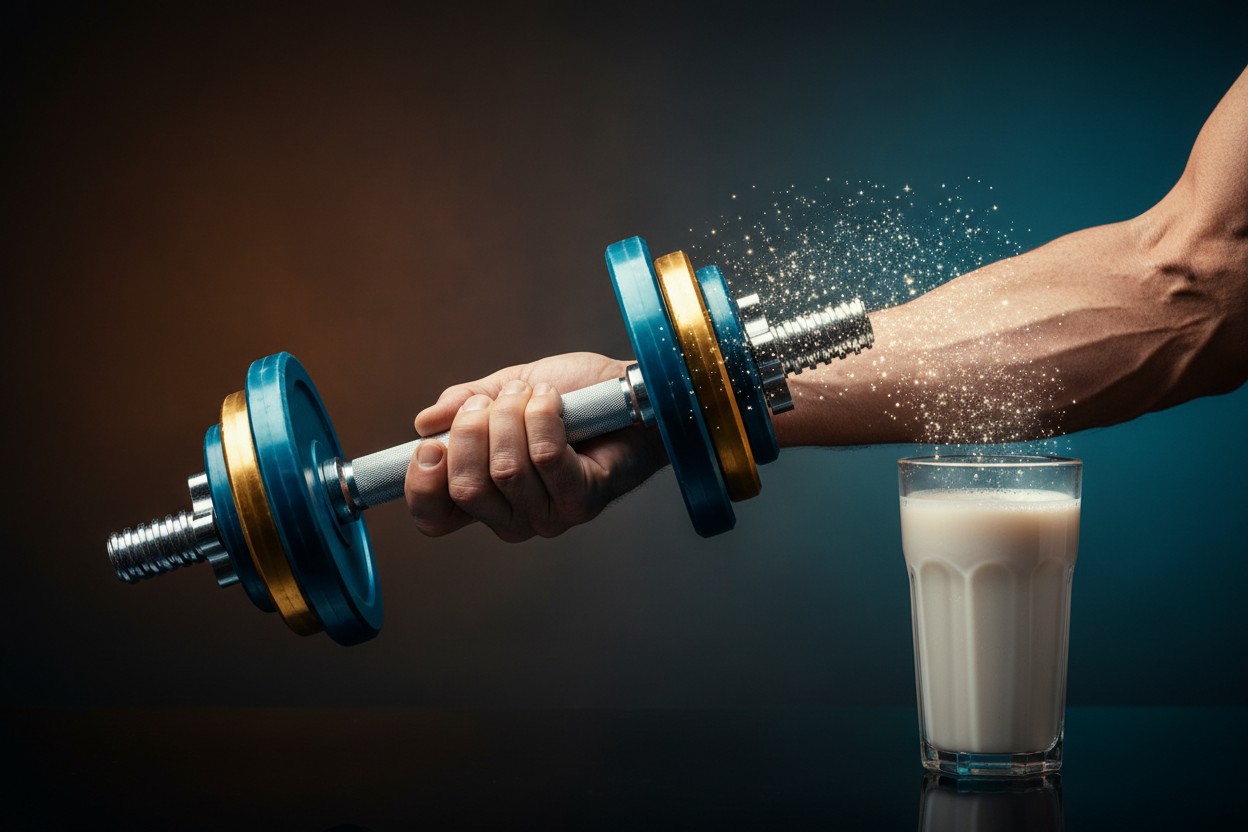
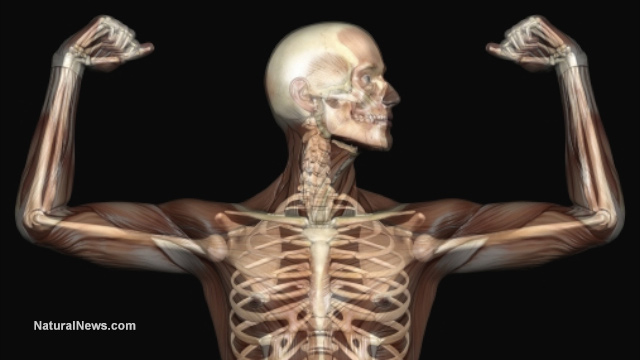
A new narrative review published in Frontiers in Nutrition has examined the combined effects of whey protein and resistance training on muscle health in older adults. The review found that resistance training and whey protein support muscle strength and function through distinct but complementary biological pathways, according to the researchers.
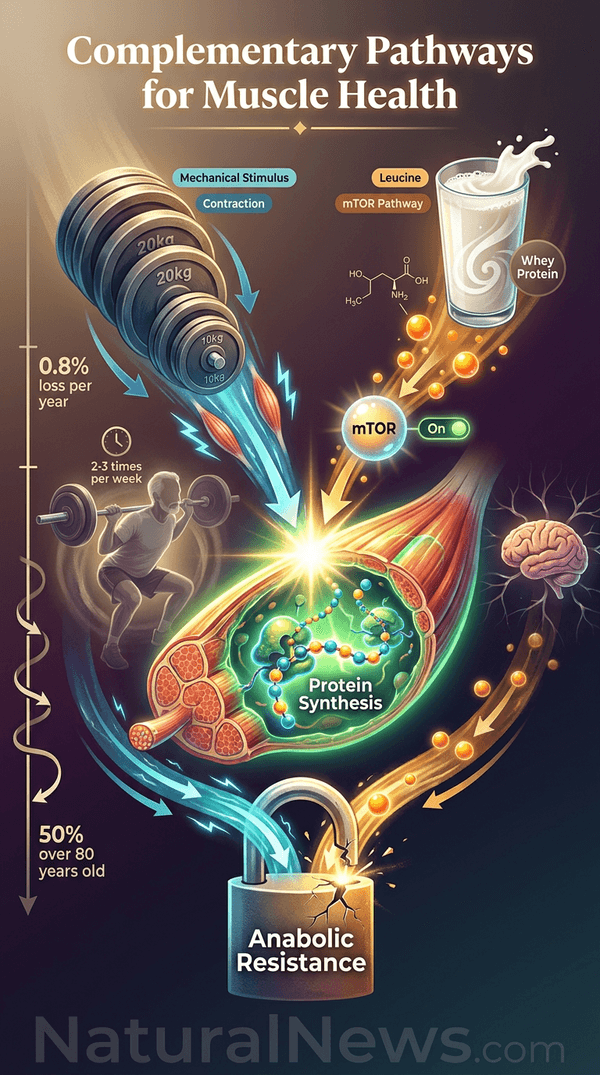
Researchers stated that neither intervention alone produces optimal results; the combination is necessary for meaningful improvements in older populations. Age-related muscle loss, known as sarcopenia, affects an estimated 10% of adults over 60 and more than 50% of those older than 80, according to a Mercola.com article [1]. Strong muscles are essential for mobility and balance, and muscle is lost far more easily than it is built as people age, the article noted [2].
Scope of the Review
The review analyzed existing evidence on how whey protein and structured exercise, primarily resistance training, affect muscle health, physical performance and related biomarkers in older adults. Unlike broader protein reviews, this analysis focused specifically on whey protein due to its high leucine content, which triggers muscle protein synthesis more effectively than other protein sources, according to the researchers.
The authors also examined emerging research on the connection between muscle health and brain function. Current government recommendations for dietary protein intake are set too low, especially for the elderly who require greater amounts to compensate for age-related decline in muscle protein synthesis, according to the book “Rapamycin mTOR Autophagy” [3]. Using amino acid tracer methodology, studies have shown that whey protein elicits a sharp, rapid increase of plasma amino acids following ingestion, as noted in the International Society of Sports Nutrition position stand [4].
Mechanisms of Action
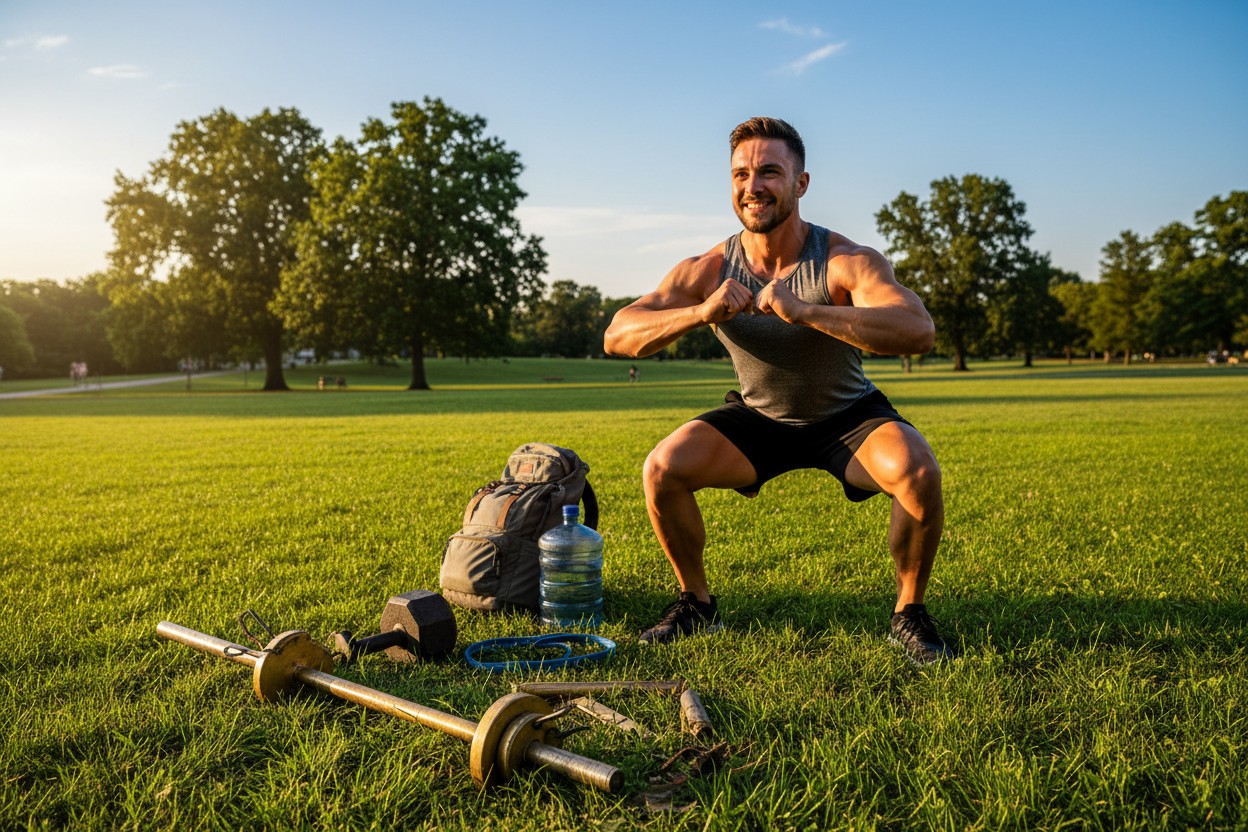
Resistance training provides the mechanical stimulus for muscle growth and adaptation, a process that supplements cannot replicate, the review authors wrote. Strong muscles are essential for mobility and balance, and resistance exercise is key to maintaining muscle mass as people age, according to a Mercola.com article [2]. Strength training will ultimately lead to increases in muscle mass only if daily protein intake is sufficient to support the construction of new tissue, as stated in “The Barbell Prescription” [5].
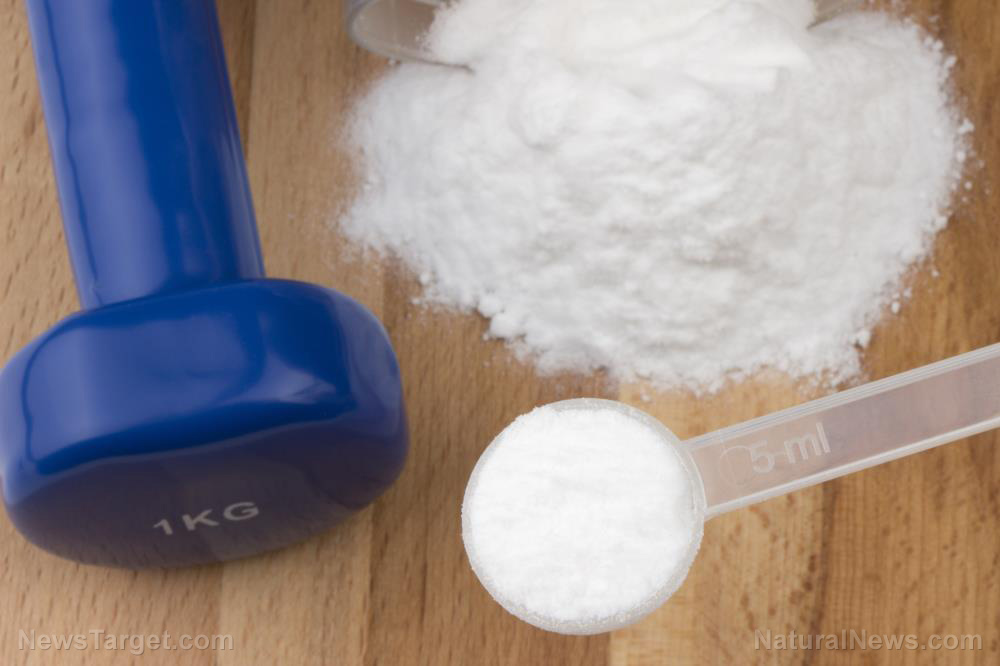
Whey protein supplies the amino acids, particularly leucine, required for muscle tissue repair and synthesis after exercise. Nutrition plays a crucial role in maximizing resistance training, with researchers studying the synergy between nutrition and exercise to boost benefits, according to a 2012 Mercola.com article [6]. Without the exercise stimulus, the muscle-building effect of protein is significantly reduced, especially in older adults whose muscles are less responsive to protein signals, according to the review.
Findings on Combined Effects
The review reported that when whey protein is combined with resistance training, older adults achieved better strength outcomes and more favorable changes in key health markers compared to either intervention alone. A meta-analysis of 235 randomized controlled trials, reported by NaturalNews.com, identified that combining exercise styles and protein sources is an optimal strategy for preserving muscle mass in aging adults [7].
The benefit of protein supplementation was most pronounced in individuals who are undernourished, at higher risk of muscle loss, or have conditions such as sarcopenia or metabolic dysfunction. For healthy older adults already meeting daily protein needs, the additional benefit from whey supplementation was limited, the review noted. Sarcopenia progresses at a rate of approximately 0.8% skeletal muscle loss per year from the fifth decade of adult life, according to a Mercola.com article [1].
Practical Recommendations
The review authors recommended that older adults prioritize 2 to 3 resistance-training sessions per week as the foundation for muscle health. Progressive increases in strength and muscle mass demand an adequate intake of energy and protein, and the Masters Athlete will not make progress on a strength program unless daily protein intake is sufficient, according to “The Barbell Prescription” [5]. Even frail seniors can improve strength, agility, and balance through a personalized strength training program, according to a Mercola.com article [8].
Whey protein should be used strategically by those not meeting daily protein requirements or who are at elevated risk of muscle loss, according to the findings. The researchers emphasized that exercise and protein should be viewed as a team: resistance training creates the demand, and whey protein helps meet it. Betaine HCl with pepsin can be taken to improve protein breakdown and absorption, as noted in “Prescription for Natural Cures” [9], though the review focused on whey supplementation rather than digestive aids.
Conclusion
The review concluded that exercise is the non-negotiable component for building muscle, while protein makes the process work. Understanding how muscle protein synthesis responds to both stimuli allows for strategic use of supplements rather than blind consumption, the authors stated.
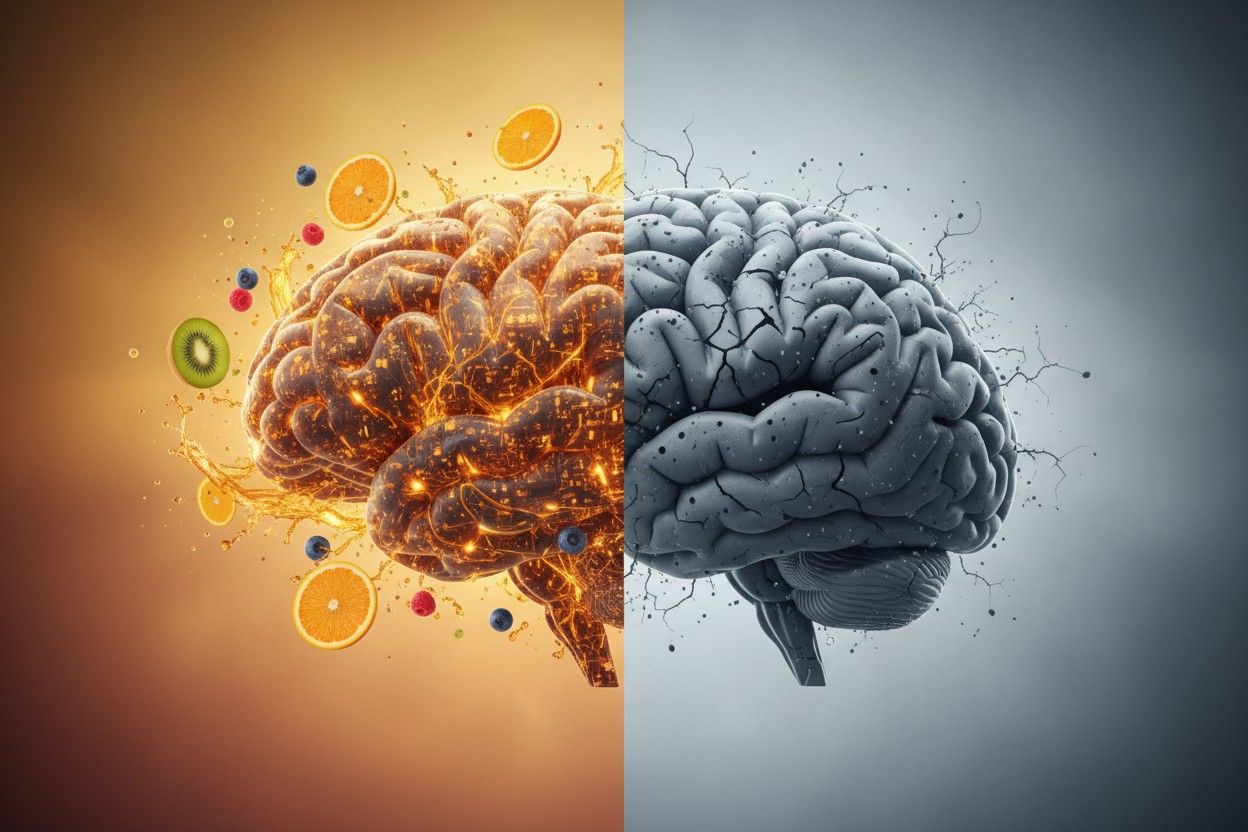
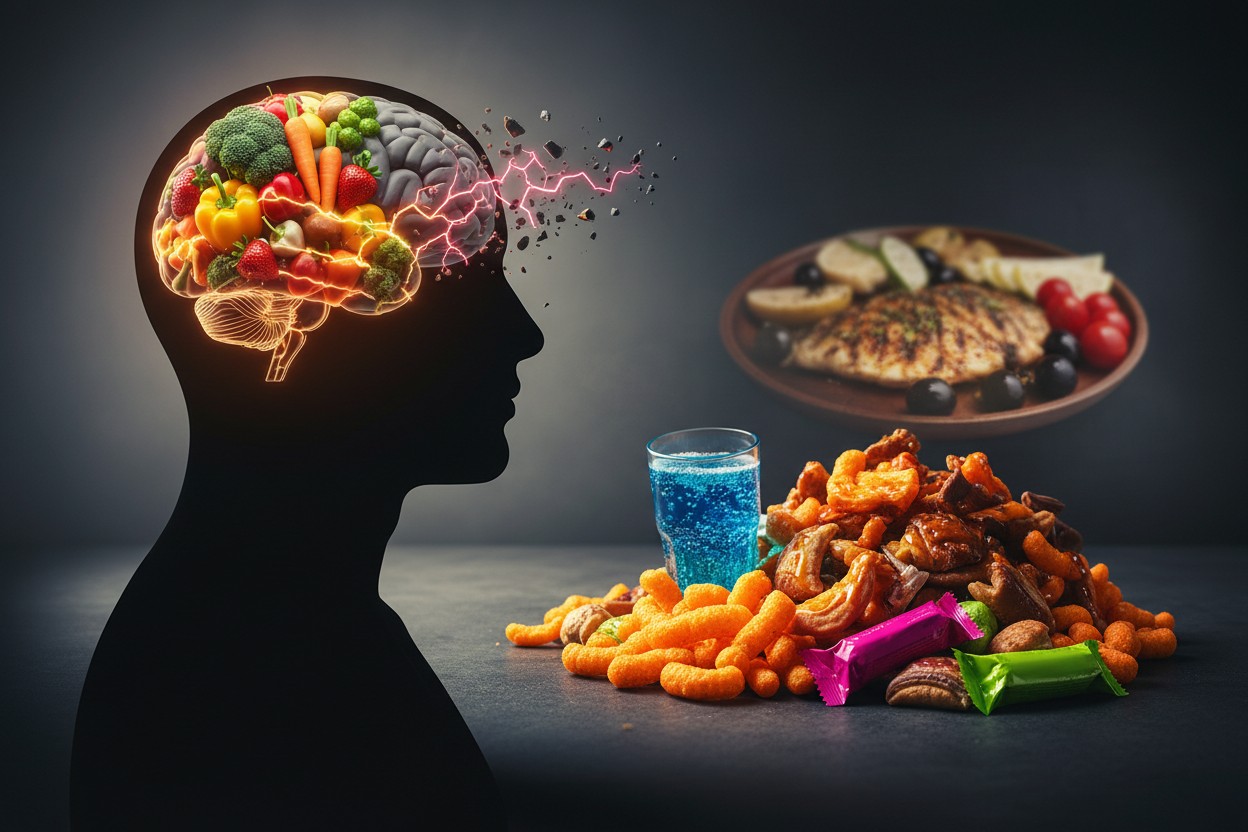
The findings highlight potential broader benefits for healthy aging, including cognitive function, but the review called for further research in that area. Just as it is important to engage in dietary, lifestyle, and exercise strategies to fight osteoporosis, the same must be done to fight sarcopenia, and building muscle is essential for maintaining health, according to “The Longevity Matrix” [10]. For older adults, focusing on resistance training and adequate protein intake remains a practical, evidence-based approach to preserving muscle strength and function.
References
- Mercola.com. “Stops Muscle Wasting Everyone Over 30 Needs”. October 28, 2019.
- Mercola.com. “Why Resistance Training Preserves Your Cardio”. August 05, 2022.
- “Rapamycin mTOR Autophagy”.
- FrameMaker 7.0. “International Society of Sports Nutrition position stand: protein and exercise”. Journal of the International Society of Sports Nutrition. 2018.
- Jonathon M Sullivan and Andy Baker. “The Barbell Prescription: Strength Training for Life After 40”.
- Mercola.com. “How Whey Protein Can Help Build Toned Muscles”. July 20, 2012.
- NaturalNews.com. “Meta-analysis of 235 trials identifies optimal strategy for preserving muscle mass in aging adults”. June 14, 2026.
- Mercola.com. “Majority of Adults Need More Muscle Strengthening Exercise”. October 03, 2014.
- Mark Stengler, James F Balch, Robin Young Balch. “Prescription for Natural Cures”.
- Dr Michael T Murray. “The Longevity Matrix: How to Live Better, Stronger, and Longer”.
Explainer Infographic
Submit a correction >>
Tagged Under:
antioxidants, Censored Science, fitness, glutathione, health science, ingredients, Men's Fitness, muscle, muscle growth, natural health, nutrients, nutrition, organics, protein, research, resistance exercise, sarcopenia, supplements, whey, whey protein, Women's Fitness
This article may contain statements that reflect the opinion of the author
RECENT NEWS & ARTICLES